
Understanding the psychology behind gambling What drives our desire to play
The Thrill of Uncertainty
The allure of gambling often lies in the thrill of uncertainty. Players are captivated by the unpredictable nature of games, where each roll of the dice or shuffle of the cards can lead to either a significant win or a loss. This unpredictability stimulates the brain’s reward system, releasing dopamine, a neurotransmitter associated with pleasure. The excitement generated from not knowing the outcome can create a powerful urge to play again and again, much like the experience offered at Vpower Casino.
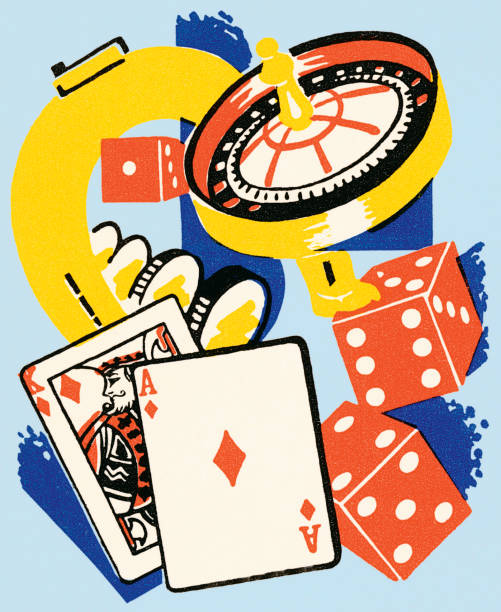
This cycle of risk and reward taps into fundamental aspects of human psychology. The anticipation of a win can be more intoxicating than the win itself, reinforcing the desire to gamble. Players often chase this feeling, even when aware of the odds stacked against them, illustrating the complicated relationship between risk and reward that fuels gambling behavior.
The Role of Cognitive Biases
Cognitive biases play a significant role in the psychology of gambling. Players often fall victim to the illusion of control, believing that their decisions or strategies can influence the outcome of games that are fundamentally random. This misconception can lead to overconfidence and increased betting, as players feel empowered by their perceived skill.
Another common bias is the gambler’s fallacy, where individuals mistakenly believe that past events influence future outcomes. For example, after a series of losses, a player may feel that a win is ‘due’, prompting them to continue gambling despite financial setbacks. Such biases not only enhance the desire to play but can also lead to problematic gambling behavior.
The Social Influence of Gambling
Gambling is often a social activity, and the social environment can significantly impact an individual’s desire to participate. Many people enjoy gambling as a form of entertainment shared with friends or family, contributing to feelings of camaraderie and belonging. This social aspect can amplify excitement and encourage individuals to partake in gambling activities.
Moreover, peer pressure and social reinforcement can perpetuate gambling behavior. If individuals observe their friends winning or celebrating wins, they may feel compelled to join in. The desire to fit in or engage in shared experiences can drive people to gamble, often leading to a heightened sense of excitement and competition.
Myths and Misconceptions
Many myths surround the world of gambling that contribute to misunderstanding its psychological impact. One common myth is that certain games are more favorable based on timing or location, which can lead players to make irrational choices. Believing in ‘lucky’ times or spots can increase gambling frequency, as players become convinced they can beat the odds.
Another prevalent misconception is that gambling is purely a game of chance. While luck does play a significant role, skill and strategy can also influence certain games. This belief can encourage players to engage more frequently, underestimating the potential risks involved and overestimating their ability to win. Dispelling these myths is essential for understanding gambling behavior and promoting responsible gaming.
Exploring Vpower Casino
Vpower Casino Australia encapsulates the exhilarating nature of online gambling, offering a wide variety of games and a user-friendly experience for players. With fast loading times and seamless navigation, players can fully immerse themselves in the thrill of gaming. The platform’s enticing welcome bonuses and transparent promotions further enhance the appeal of joining.
The casino also emphasizes responsible gaming, providing resources to help players manage their gambling habits effectively. By focusing on a secure and enjoyable gaming environment, Vpower Casino aims to create an engaging experience that resonates with the psychology behind gambling, allowing players to explore their desires in a safe space.
Comentarios recientes